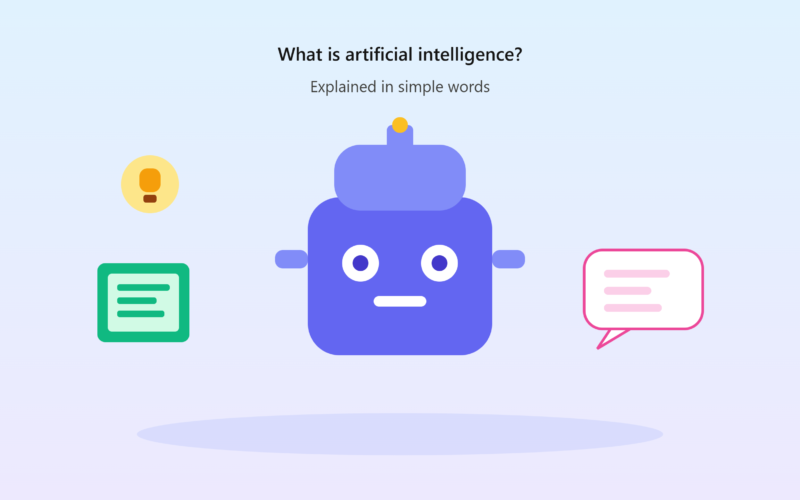
Ai stands for artificial intelligence and you’ll probably hear about it in just about every news article or podcast. It can come across as kind of a nebulous term so today, i’m going to break down what it is for everyone – and especially for you! By the time you’re done, you’ll know exactly what ai is, how it works, and the key things everyone is talking about it these days.
what is artificial intelligence, put simply?
An ai system is pretty much a computer system that’s able to perform human tasks, especially with some level of “intelligence.” instead of a programmer writing extremely explicit instructions on exactly how the system needs to respond to every imaginable scenario, the system learns through trial and error or by analyzing a mass dataset. Think of it like training a dog – show them how many times and they’ll learn.
Ai in the wild – it’s everywhere!
Ai is that recommendation engine on netflix, suggesting the next movie you’re obsessed with, it’s the music stream you create that just gets what you’re in the mood for. It’s your phone unlocking with just a glance or your smart home assistant playing whatever you ask. If it feels smart without explicitly being told how to be smart in that exact context, you’re probably using ai multiple times throughout the day!
difference between an ai and a regular program?
Regular computer programs execute specific, pre-written code to follow instructions – if this happens, then do that. A computer program with ai has a degree of flexibility; it learns from data rather than just executing set commands. The capacity for learning is what truly separates traditional computing from ai and makes its possibilities seem endless.
Common types of artificial intelligence you might encounter
you’ll generally hear about a few types when discussions arise about ai. Narrow ai (or weak ai) refers to an ai system designed and trained for a specific task – say, playing chess, driving, or processing images. General ai (or strong ai) is essentially the idea of a truly intelligent system capable of understanding, learning, and applying intelligence across any intellectual task that a human can. This doesn’t currently exist. Superintelligence is even more speculative, hypothesizing an ai far surpassing human intellect in every conceivable aspect.
how are they trained?
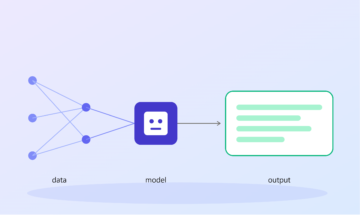
Most ai today is trained using machine learning. This is where vast amounts of data are input into the algorithm – perhaps millions of labeled photos, for instance, tagged as “cat” or “dog.” through repeated exposure and pattern recognition within the data, the ai “learns” to distinguish and classify these objects with impressive accuracy.
what is the recent ai boom all about?
Ai isn’t new, but recent advancements in computing power and the development of large language models (like those powering chatgpt or google’s gemini) have blown the lid off. Tools that can generate creative text, art, and even code in seconds brought the reality of ai right to the average person’s fingertips. Suddenly, ai was accessible and relatable to everyone, leading to widespread public interest and discussion.
is ai something we should be scared of?
It’s a question that sparks debate even among top experts. For current, consumer-facing ai tools, safety is generally a high priority. However, legitimate concerns exist around job displacement, the potential for misuse of the technology to spread misinformation, and more theoretical, longer-term implications as ai capabilities continue to grow at an accelerated pace.
final word
ai is simply a rapidly evolving toolset that is here to stay and changing our lives significantly. Instead of feeling overwhelmed or intimidated, try and understand its core principles – that can help you use it to its fullest potential. Experiment with free ai tools, and see how you can incorporate this emerging technology into your workflow and daily life!
Leave a Reply